

A weekly glimpse into the music & media industry with insider news, sync licensing opportunities, creative insight, and discussions from myself!
Music, Media & Sync
The Rareform Rundown
Film Composer, Record Producer, Sound Designer, Entrepreneur
+



Insight

Meet The Foundry by Rareform Audio, a new collection of professional sound tools built for composers and producers working across music, film, television, trailers, and beyond.

Origin is a free series of Kontakt instruments built from my own modular synth performances. Here’s how the series started, what’s inside the first three instruments, and why I wanted to make these sounds available to other composers and producers.

After years of writing trailer music and building custom percussion, I wanted a drum instrument I could keep in my own template and actually use. Here’s a closer look at Echelon: Drum Hits and some of my favorite sounds inside.

Joaquín Rodrigo composed Concierto de Aranjuez without ever seeing a guitar being played. Written through musical braille and internal hearing, the piece remains one of the most emotionally powerful works in classical music. Its restraint, orchestration, and emotional depth still offer valuable lessons for modern composers and producers today.
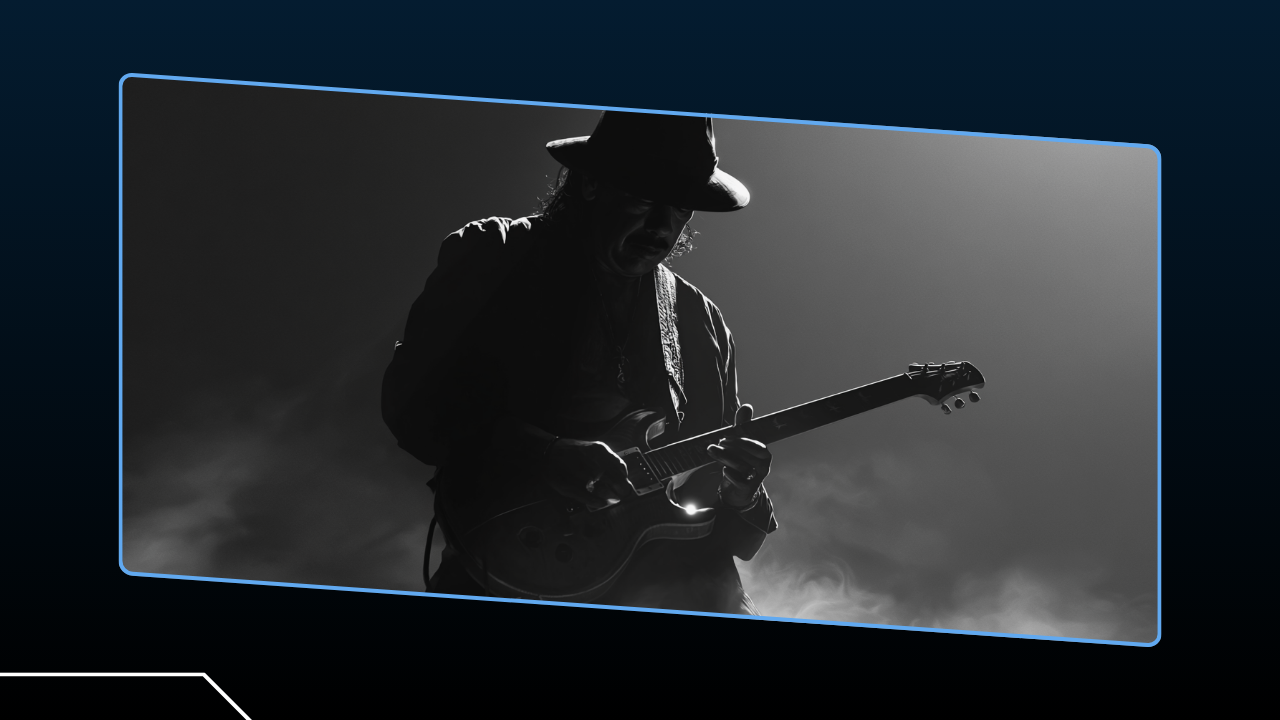
Carlos Santana once said, “If you don’t give yourself chills, no one else is going to get them either.” This article explores why emotional intensity still matters more than technical perfection, and why audiences continue to connect most deeply with music that feels human, honest, and emotionally real.

Rhythm has always been connected to human movement, labor, and shared experience. From traditional cotton fluffing in China to modern music production, repetitive motion continues to shape how people create and connect through sound.

A video of former ballet dancer Marta Cinta González Saldaña responding to Tchaikovsky’s Swan Lake became a powerful reminder of how deeply music can live inside memory and movement. Even through Alzheimer’s disease, the connection between sound, emotion, and physical memory remained intact in a way that resonated with millions around the world.
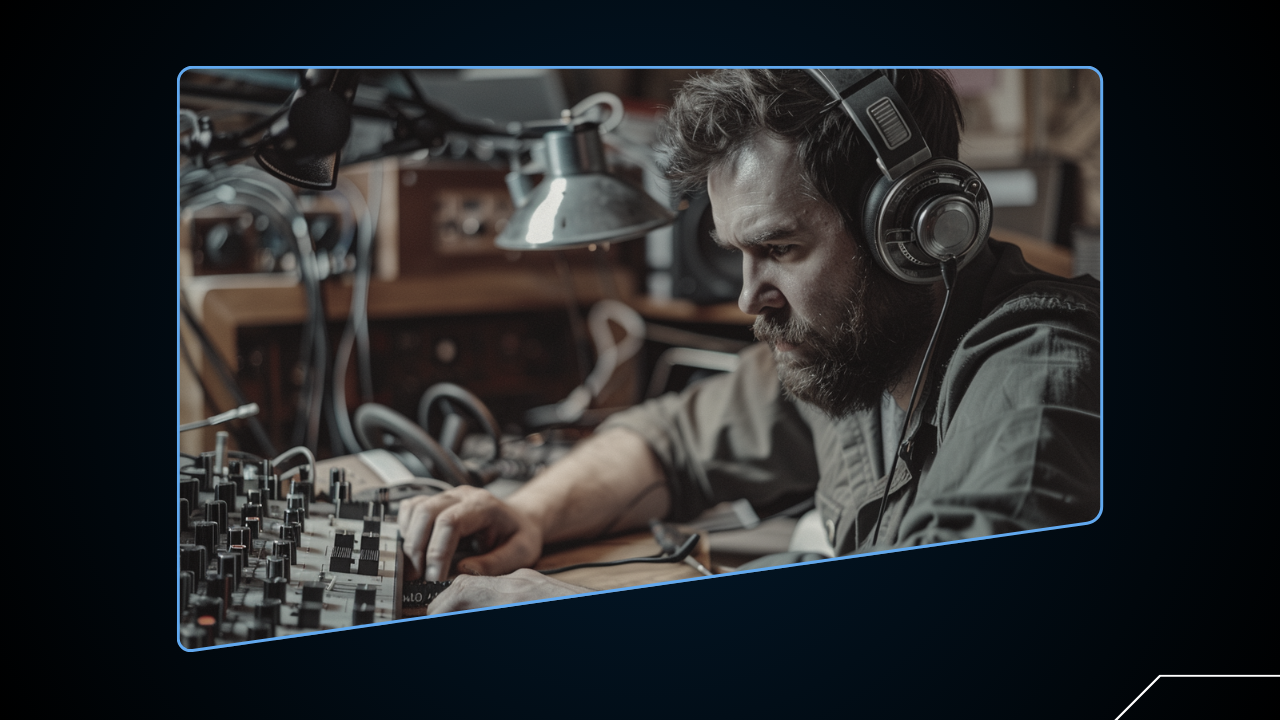
Before modern plugins and massive sound libraries, sound designers had to build worlds from real-life recordings. From rattling pipes to tank motors, Ben Burtt’s work on Star Wars is still one of the best examples of how creativity, observation, and experimentation can shape unforgettable sound design.

In 1961, a computer sang a song for the first time. What sounded like a strange technical experiment at Bell Labs would eventually help shape the future of digital audio, music production, and modern AI-generated music. Looking back at “Daisy Bell” now reveals how early computer music experiments changed the relationship between technology and creativity forever.

Dune’s sound design goes far beyond traditional sci-fi audio. From vibrating rubber bands used to create ornithopter wings to massive low-frequency textures that make Arrakis feel physically overwhelming, the film shows how experimental sound design can shape an entire world and create one of the most immersive audio experiences in modern cinema.

What makes a film score truly unforgettable? Looking at Hans Zimmer’s creative process reveals a bigger lesson for today’s music industry: great composition is not about chasing originality, it is about listening deeply to the story and creating what has not yet been imagined.
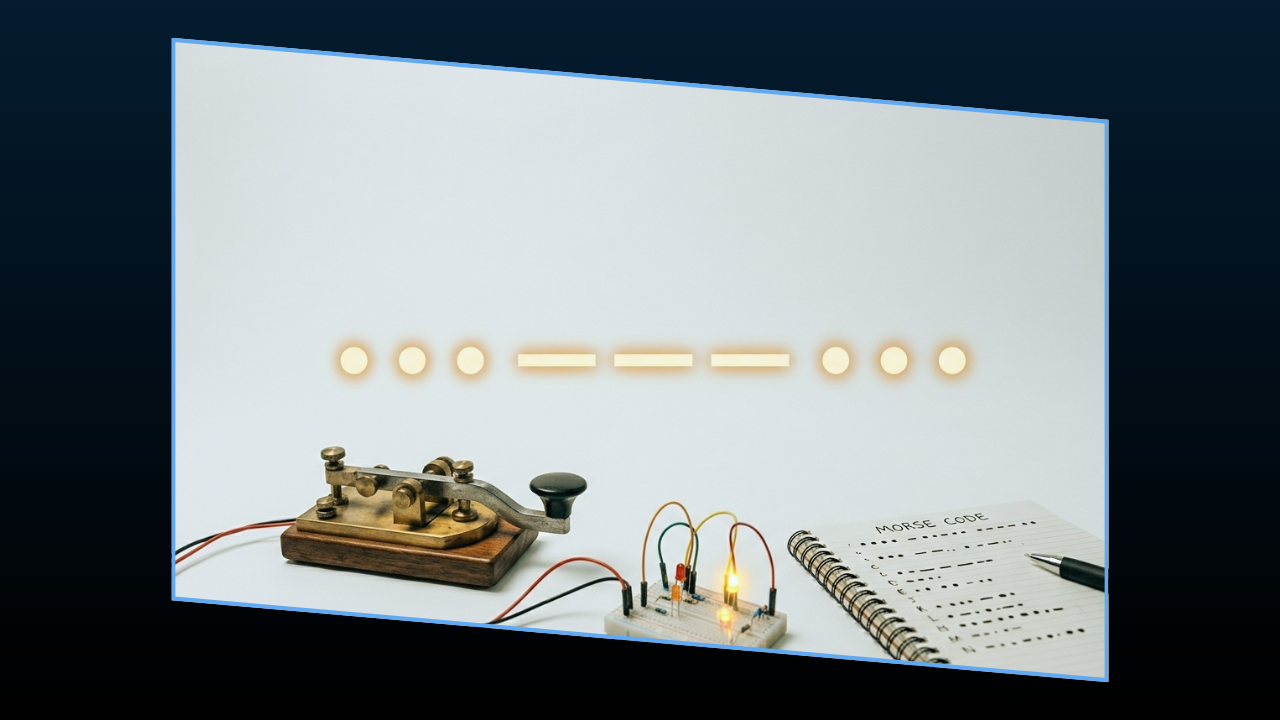
Before instant messaging and smartphones, information traveled through rhythm and sound. Morse Code transformed simple signals into one of the world's first long-distance communication systems, and its influence still echoes through modern music, audio production, and storytelling today.

John Williams’ Duel of the Fates remains one of film music’s most powerful compositions. This insight breaks down how its use of choir, orchestra, and intentional musical design helped redefine cinematic scale, and what modern composers can still learn from its lasting impact.

The world’s most recognizable ringtone didn’t begin as a piece of modern technology. It started as a classical guitar composition written in 1902 by Francisco Tárrega. Here’s the fascinating story behind how a short phrase from Gran Vals became the iconic Nokia Tune, and why its journey still says so much about how music evolves across generations.

A look into how Vangelis viewed creativity, commercial pressure, and the growing divide between artistic instinct and industry-driven music culture. As algorithms, streaming platforms, and AI continue reshaping the music world, his perspective feels more relevant than ever.

Palm cockatoos are crafting tools and creating rhythmic patterns that mirror human music, complete with individual style. Their behavior offers a rare look at how rhythm, identity, and sound creation might extend beyond humans, and what that could mean for the way we think about music today.

Trailer music often mirrors the three-act story arc of film itself. From quiet setups to full-scale climaxes, composers use structure, tension, stopdowns, and drops to shape the emotional ride. Here’s how it all comes together, with an example from the HIM trailer.
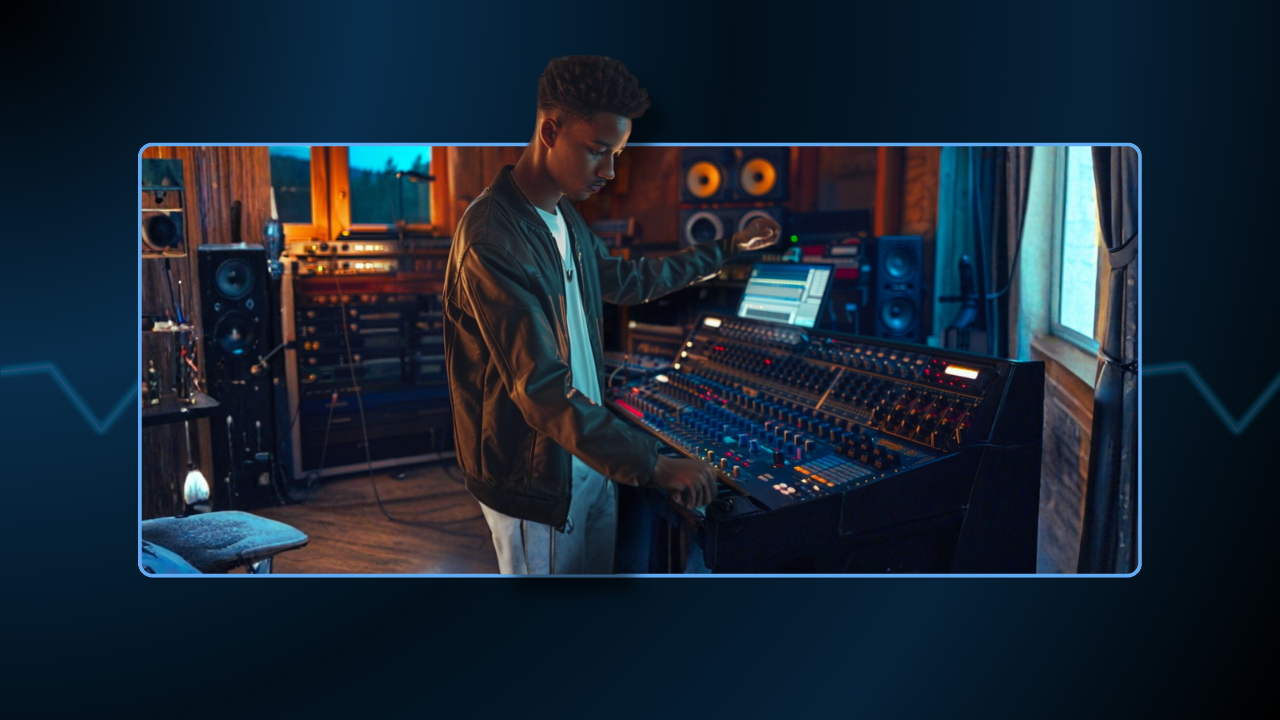
Producers today aren’t choosing between analog and digital—they’re blending them. By combining the warmth and character of analog with the precision of digital, modern music production finds a balance that feels both human and polished.

Breaking a track into stems unlocks endless creative flexibility. From syncing with film to remixing live, stems give creators the power to shape music around their vision instead of fitting their vision into one final mix.

Metadata might not be the most exciting part of music, but it’s one of the most important. From royalties to discoverability, clean metadata keeps songs connected to their creators and makes sure music finds the right audience.

Reference tracks can sharpen your mixing skills and keep your ears honest, but they’re not meant to be copied. Learn how to use them as a guide for clarity and balance while still protecting your originality.

Emotional intelligence often gets overlooked in music production, but it can be just as important as technical skills. From breaking through creative blocks to collaborating more effectively, understanding emotions helps producers create music that truly resonates.

Music libraries do more than store tracks—they carefully curate catalogs to help creative directors find music that’s production-ready, trend-aware, and easy to search. Here’s a look inside the process and a real-world example of how thoughtful curation supports film, TV, and advertising projects.

Hybrid scores have become the defining sound of modern cinema. By blending orchestral tradition with electronic innovation, composers are shaping immersive, emotional soundscapes that connect with today’s audiences and elevate storytelling.

Music can make or break a product launch video. Here’s how to use it intentionally—to tell a story, create emotion, and make your message land.