Vintage Gear, Modern Plugins, and the Sound In Between
Hello Friends,
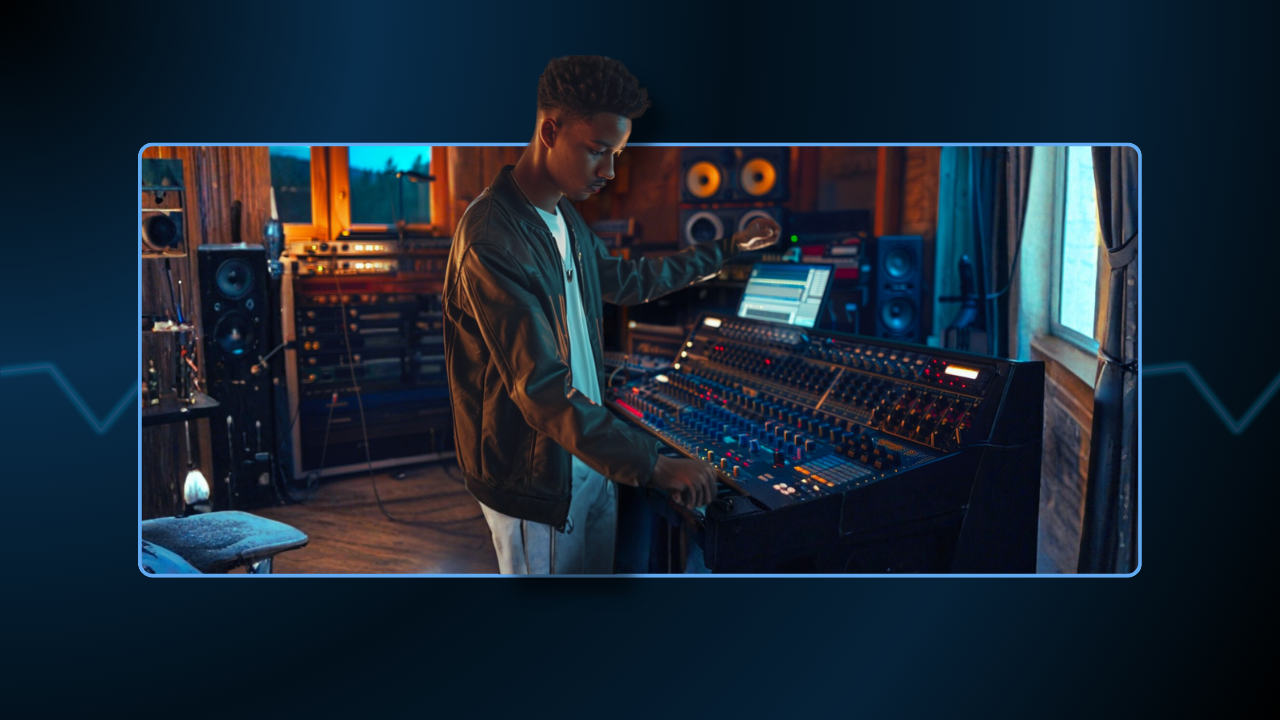
The debate around analog versus digital recording has been around for decades, but what’s especially interesting today is how producers aren’t really choosing one side anymore. Instead, they’re blending the two, taking the warmth and imperfections of analog and pairing them with the clarity and precision of digital. Vintage tape machines have their charm, modern plugins open endless doors, and the real magic happens in the middle where music feels alive but still polished.
The Charm of Analog
Analog gear earned its reputation for the way it naturally shaped sound. Tape saturation, subtle harmonic distortions, and the quirks of analog circuits all added up to what listeners describe as “warmth.” These weren’t intentional design features but the byproduct of the technology itself. Over time, those qualities became the signature sound of entire generations of music.
The catch was that analog recording demanded a lot. Machines were expensive, bulky, and always in need of maintenance. Editing tape was slow, and mistakes were harder to fix. But those very limitations pushed artists to make bold choices and stick with them, often leading to more organic performances.
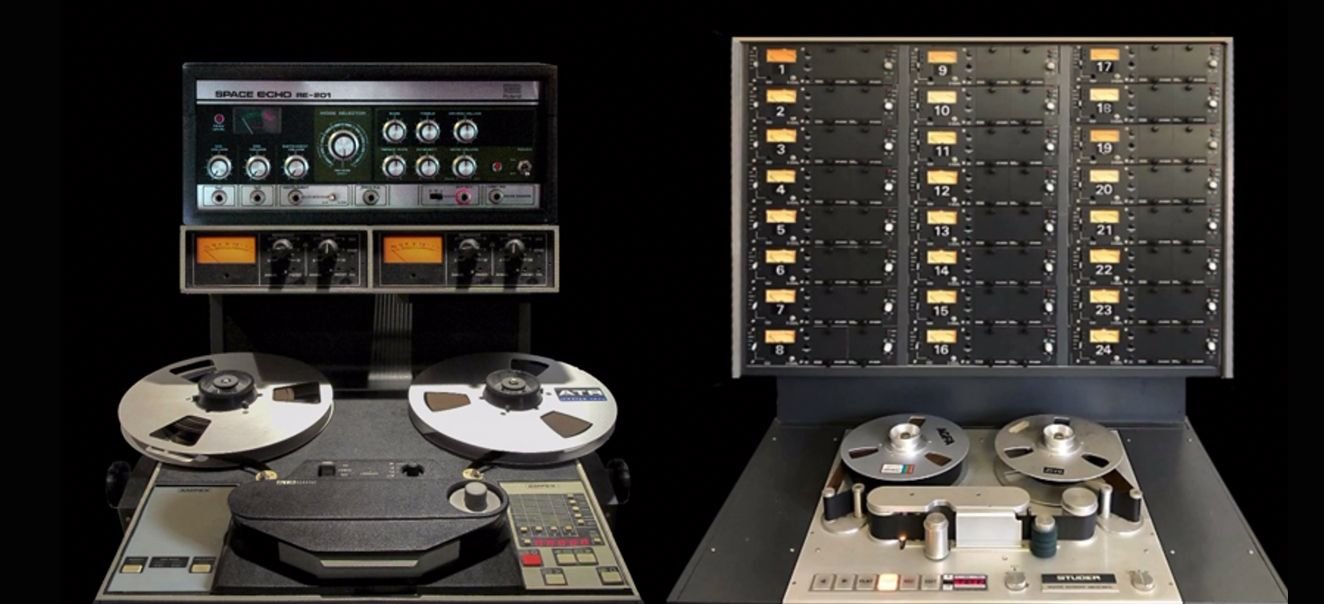
Photo Credit: Ask.Video
Digital Takes Over
When digital recording arrived, it flipped the industry. Suddenly, music could be captured with incredible clarity and no tape hiss. Files didn’t wear out, editing became fast, and producers had almost unlimited creative tools at their fingertips. This opened the door for anyone with a computer to build professional-sounding tracks, which fueled the rise of home studios and independent artists.
Still, some felt digital recordings were too clean. Without the subtle imperfections of analog, the sound could come across as flat or sterile. That’s where the push to emulate analog inside digital systems began.
Finding the Balance
Modern production is about blending the best of both. A digital mix might be run through an analog compressor for depth, or a track recorded entirely in a DAW could use tape saturation plugins to add texture. Many producers even set up hybrid studios, using software for workflow efficiency but routing sounds through analog summing mixers or outboard gear to bring back character.
Plugins today go far beyond simple “warmth” controls. They can recreate tape flutter, console coloration, or the slight movement of vintage effects. These details add imperfections that digital on its own can’t naturally produce, bridging the gap between sterile and soulful.
Why It Matters
This balance is actually about workflow and creative intent. Analog often encourages committing early and playing with the hands-on nature of gear. Digital offers near-limitless flexibility, letting ideas evolve freely without the cost or time pressure of physical tape. Together, they create a toolkit that’s both practical and inspiring.
For listeners, the results show up everywhere. A pop single might feature pristine digital vocals layered over instruments treated with analog-style saturation. A film score could combine crystal-clear orchestral recordings with subtle tape-style effects that make it feel warmer and more human.
Looking Ahead
As technology evolves, this hybrid mindset is only going to deepen. Plugins are becoming more sophisticated in capturing the nuance of analog hardware. At the same time, hardware like synths, preamps, and even vinyl records are seeing a resurgence, driven by both nostalgia and a love of tactile sound.
The future of music production doesn’t lie in choosing sides. It lies in combining tools, old and new, analog and digital, to expand the creative palette. That’s where the most exciting sounds are being made.
Until next post,
-Nathan
Share this article
Let’s Create Together
Are you a visual storyteller in media? My team and I are excited to explore how we can bring your stories to life with distinctive soundscapes. Get in touch and let’s discuss how music and sound design can transform your project.
++

++
Nathan's Picks


++