Morse Code and Music: The Original Language of Signals
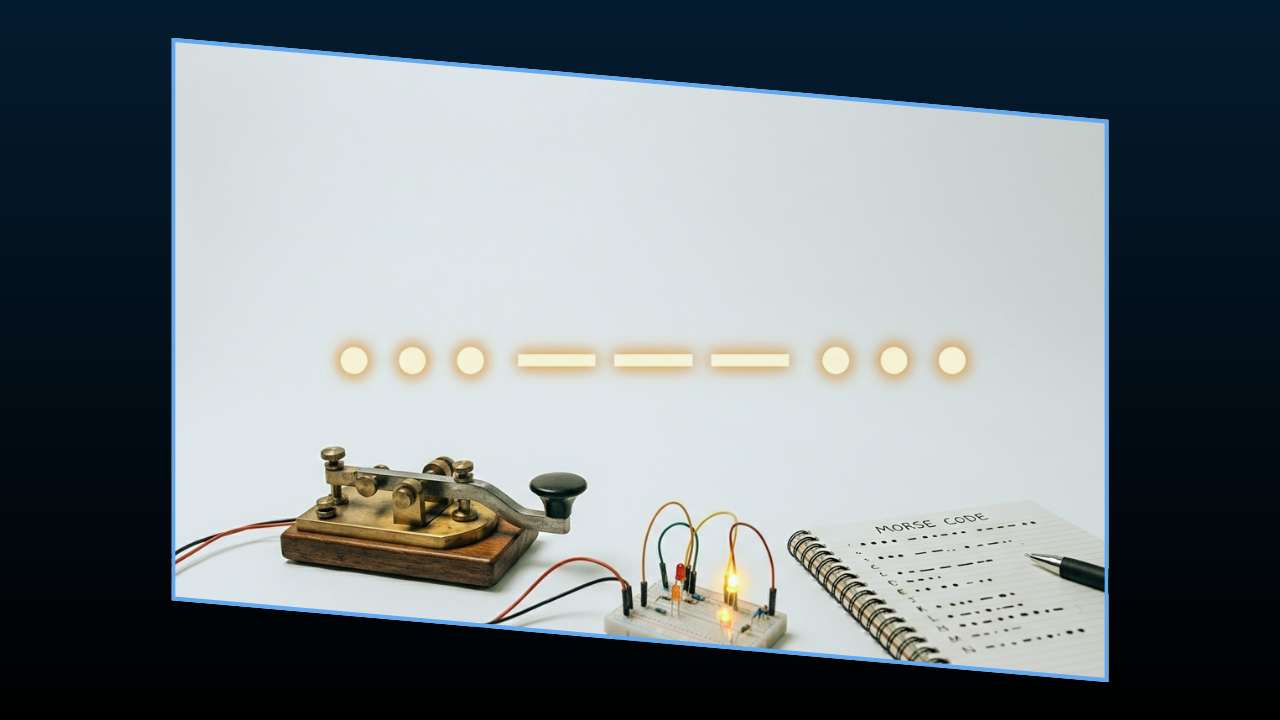
Long before smartphones, email, or even recorded audio, people were already sending messages through rhythm and sound.
Morse Code is often remembered as a communication breakthrough, but it also introduced something deeper: the idea that patterns of sound could carry emotion, urgency, and meaning across distance. In many ways, it laid the groundwork for how we experience music and audio today.
A System Built on Rhythm
At its core, Morse Code is simple. Short and long signals, dots and dashes, combine to form letters and numbers. These signals could be transmitted through radio waves, flashes of light, or audible beeps.
But what made Morse Code effective was timing.
Operators had to recognize rhythm instantly. The spacing between signals mattered just as much as the signals themselves. A slight delay or rushed sequence could completely change the meaning of a message.
That concept still exists throughout modern music production. Timing, spacing, repetition, and dynamics are what give music its groove and emotional pull.
Whether it's a drummer locking into tempo or a producer programming percussion, rhythm remains one of the strongest forms of communication humans respond to naturally.
Sound Before Language
One of the most interesting things about Morse Code is how universal it became.
You did not need to speak the same language as another operator to understand a distress signal or coded transmission. The message existed in sound patterns first, language second.
Music works the same way.
A film score can create tension before a single line of dialogue is spoken. A trailer cue can signal excitement, danger, or emotion within seconds. Even without lyrics, people understand the feeling being communicated.
This is part of why music licensing and sync continue to play such a major role in visual media. Audio often delivers the emotional message before the visuals fully land.
The Famous SOS Signal
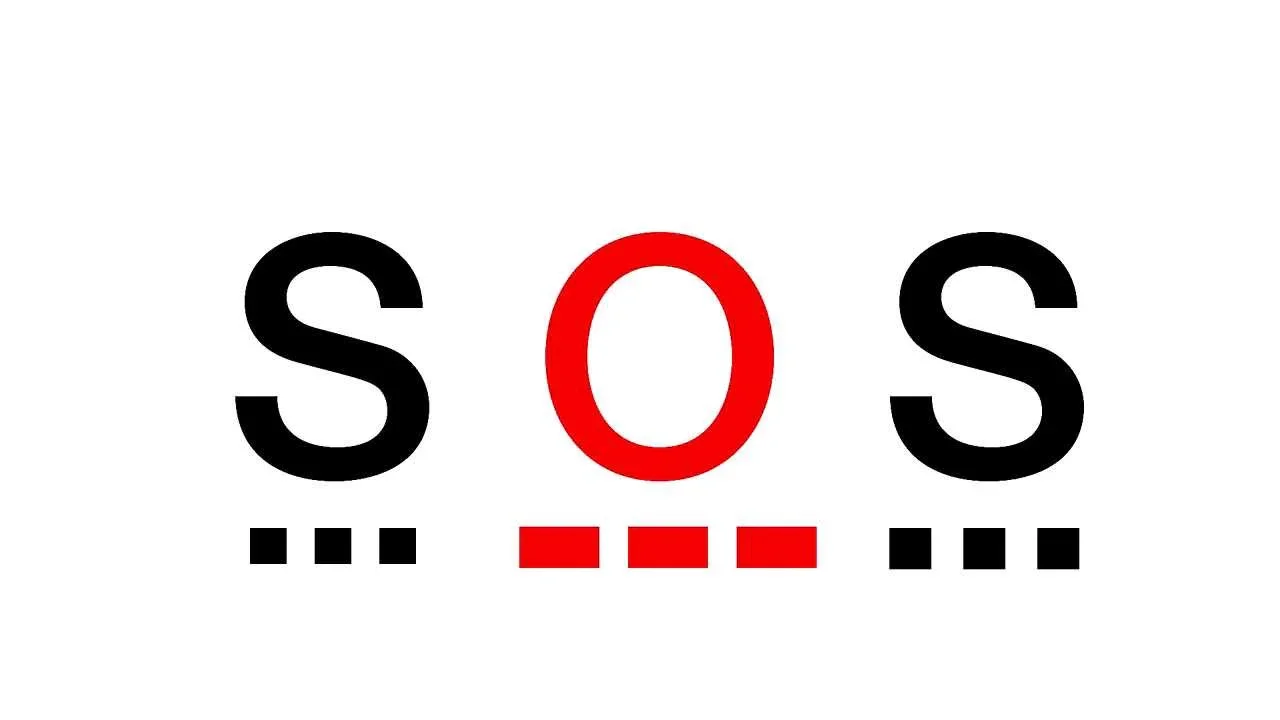
The most recognizable Morse Code signal is SOS: three short signals, three long signals, then three short signals again.
... --- ...
It became the international distress signal because it was simple, memorable, and difficult to confuse with other transmissions.
What is fascinating is how recognizable the rhythm still feels today. Even people unfamiliar with Morse Code can often identify it immediately.
That says a lot about the human brain's connection to pattern recognition and sound memory. Certain rhythms stick with us instinctively, whether they come from emergency signals, drum patterns, or melodic phrases.
Early Audio Technology Changed Everything
Morse Code also pushed the development of communication hardware forward.
Telegraphs, radio systems, and signal transmitters helped shape the foundation for modern audio technology. Without those early experiments in transmitting sound across distance, the evolution of broadcasting, recording, and eventually digital audio may have looked very different.
The music industry has always evolved alongside communication technology.
Radio changed music discovery. Television changed music marketing. The internet changed distribution. Now AI and algorithmic systems are reshaping how audiences discover songs altogether.
Every major shift in communication tends to reshape music shortly after.
Why This Still Matters Today
In today's world, we are surrounded by constant content and instant communication. But the fundamentals of sound communication have not changed as much as people think.
Rhythm still grabs attention.
Repetition still creates memory.
Timing still shapes emotion.
Morse Code reminds us that even the simplest audio signals can carry meaning when structured intentionally.
For composers, sound designers, and producers, that idea still matters. Sometimes the most effective audio moments are not the biggest or most complicated. They are the ones that communicate clearly and leave a lasting impression.
The tools may have changed, but the connection between sound and human emotion has been there from the beginning.
Share this article
Let’s Create Together
Are you a visual storyteller in media? My team and I are excited to explore how we can bring your stories to life with distinctive soundscapes. Get in touch and let’s discuss how music and sound design can transform your project.
++
++
Nathan's Picks


++