
Reference Tracks in Mixing: Your Guide Without Losing Your Voice

Hello Friends,
Reference tracks are one of those tools that can quietly level up your mixing game. They’re like a compass when you feel lost in the sea of faders, EQ curves, and endless plugins. But here’s the key: they’re meant to guide you, not replace your own creative direction. If you rely on them too heavily, you run the risk of copying someone else’s decisions instead of finding your own sound.
Let’s dig into how they can help, what to watch out for, and why originality has to stay at the heart of the process.
Why Reference Tracks Matter
Mixing can be overwhelming because it’s both technical and artistic. Reference tracks help keep your ears honest. They provide an objective benchmark for things like frequency balance, loudness, and arrangement flow.
When you drop a reference into your DAW and compare it against your mix, you can quickly spot issues like muddy low end, clashing instruments, or weak dynamics. Even beyond problem-solving, they’re also great for learning. Listening to how pros balance instruments, space out frequencies, and build energy can sharpen your instincts.
But it’s important to remember: a reference is just a tool, not a blueprint.
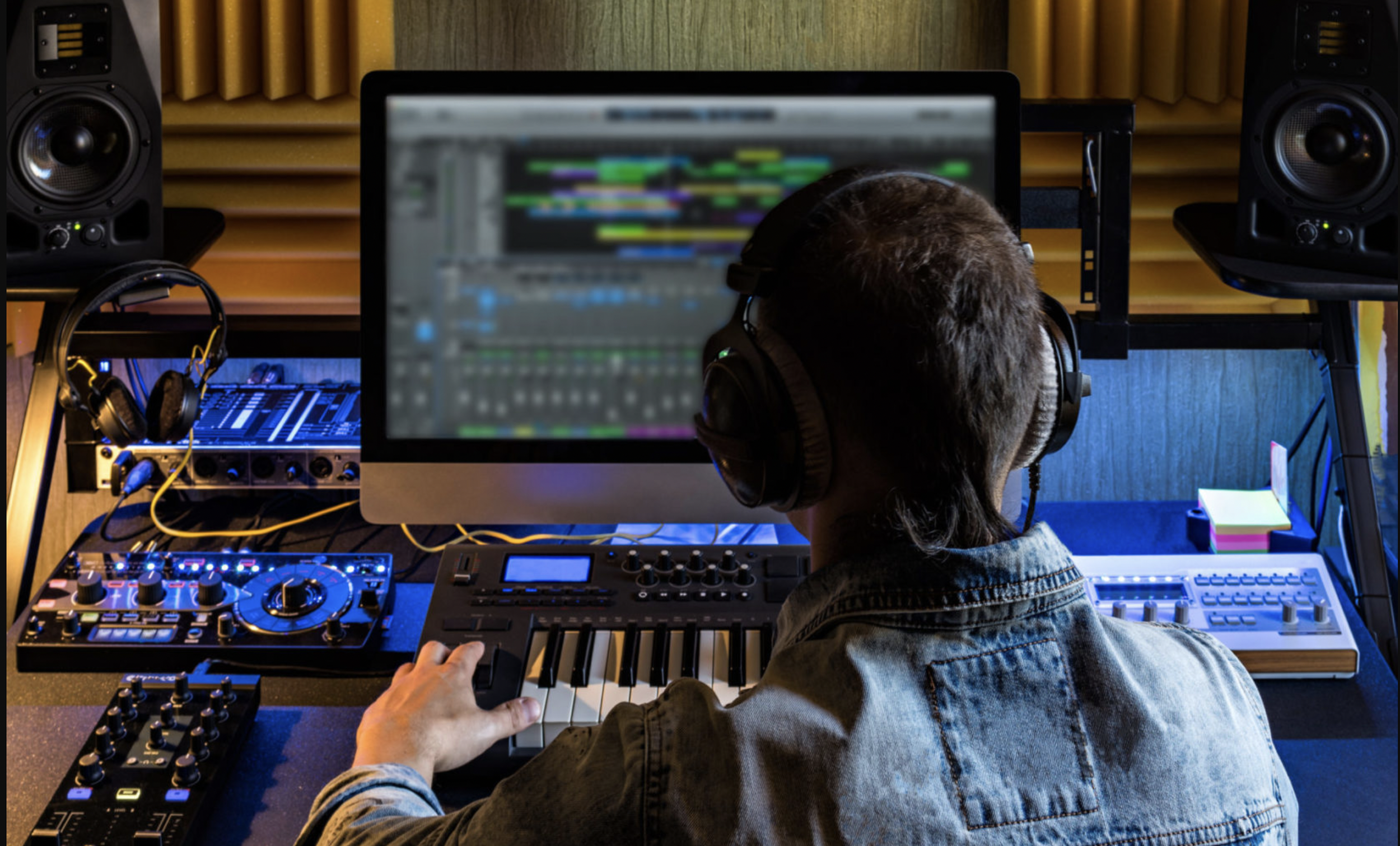
Photo Credit: Metalworks Institute
The Danger of Replication
Here’s where a lot of people get stuck. It’s tempting to hear how polished a finished track sounds and start chasing every little detail to make your own song match. But copying another artist’s creative choices will strip the individuality out of your mix.
Instead, think of reference tracks as a way to check technical health. You can use them to figure out if your sub frequencies are under control, whether your vocals are sitting in the right space, and if your track is translating well across different listening environments like headphones, studio monitors, or car speakers. These are the kinds of comparisons that move your track closer to release-ready without sacrificing originality.
Getting Set Up With References
The process is simple, but a few details matter. First, grab a high-quality audio file, WAV or FLAC if possible. Lossy formats like MP3 can skew your perception of the mix. Drop it into your DAW, and make sure there aren’t any effects coloring the track.
From here, you’ve got options. Some producers create a separate project just to map out the arrangement and analyze volume levels. Others keep a muted reference track inside their main session for quick A/B comparisons. No matter how you approach it, always level-match your reference to your own mix. If it’s louder, your ears will naturally prefer it, even if the mix itself isn’t better.
What to Listen For
Once your reference is in place, focus on one aspect at a time. Notice how the low end sits across the arrangement and whether the energy rises and falls at the right moments. Pay attention to the frequency balance between the instruments and the vocals, and listen closely to how hooks and melodies return throughout the song in slightly different forms. These are the kinds of details that give you insight into both the technical polish and the emotional flow of a track. Comparing these qualities to your own mix will highlight where you can improve without falling into copycat territory.
Keeping Originality at the Core
At the end of the day, reference tracks are making sure your music can stand on its own technically while still carrying your unique voice. They help you spot mistakes, learn new tricks, and shape clarity, but the quirks and creative choices you bring to the table are what make the song truly yours.
That balance between guidance and individuality is what turns a polished mix into something memorable.
Until next time,
-Nathan
Share this article
Let’s Create Together
Are you a visual storyteller in media? My team and I are excited to explore how we can bring your stories to life with distinctive soundscapes. Get in touch and let’s discuss how music and sound design can transform your project.
++

++
Nathan's Picks


++

Get your music movie-ready with cinematic sounds built for today's film, trailer, and sync landscape.